🇳🇬 Pidgin Version
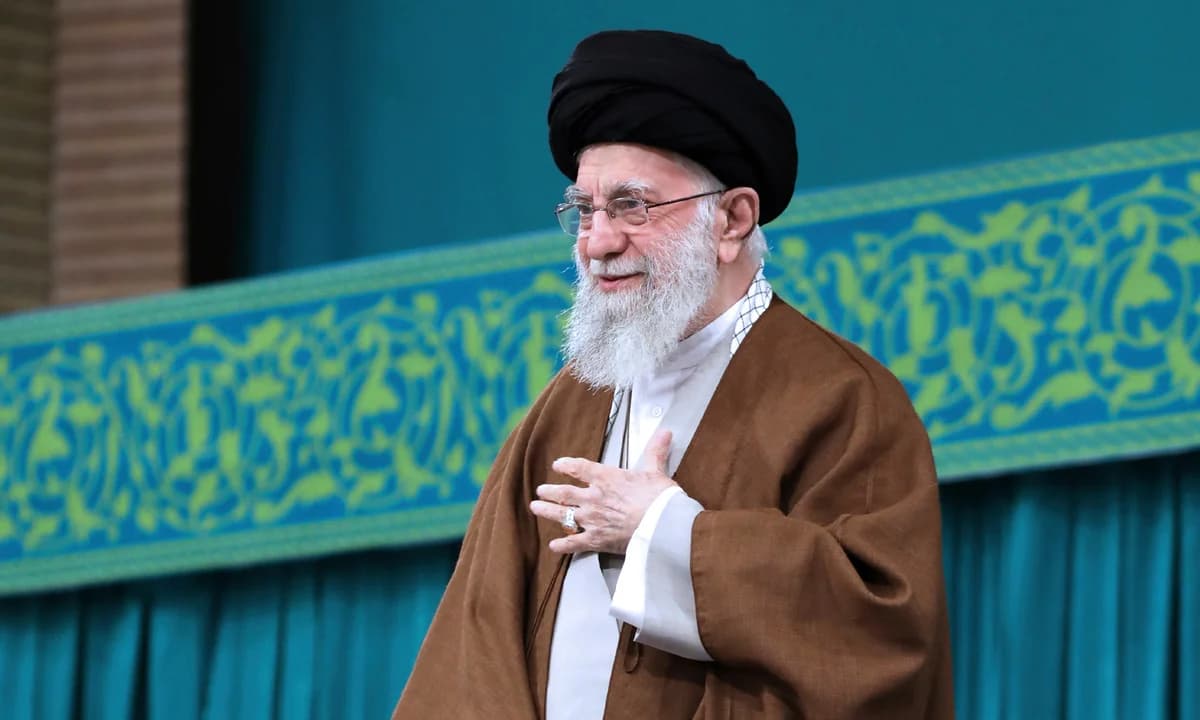
<p class="my-6 leading-relaxed text-foreground">In a defiant televised address on June 26, 2025, Iran’s Supreme Leader, Ayatollah Ali Khamenei, warned that Iran could target additional U.S. military bases in the Middle East if provoked, following a missile attack on the Al-Udeid Air Base in Qatar. Khamenei described the strike as a “sharp blow” to the U.S., claiming it demonstrated Iran’s strength against both the U.S. and Israel. The attack, which occurred on June 23, 2025, was in retaliation for U.S. airstrikes on three Iranian nuclear facilities—Fordo, Natanz, and Isfahan—on June 21, 2025. No casualties were reported at Al-Udeid, as Qatar’s air defenses intercepted the missiles, with prior warning from Iran enabling evacuations.</p><p class="my-6 leading-relaxed text-foreground">Khamenei, making his first public appearance since the U.S. strikes, asserted that Iran had emerged victorious in the brief conflict, dubbed the “12-Day War,” and vowed that any further aggression would meet a severe response. He claimed Iran has access to critical U.S. military installations and could act “whenever necessary,” raising concerns about the stability of the fragile ceasefire brokered by President Donald Trump between Iran and Israel.</p><p class="my-6 leading-relaxed text-foreground">Meanwhile, U.S. Secretary of Defense Pete Hegseth fiercely defended the U.S. operation, codenamed “Midnight Hammer,” during a Pentagon briefing on June 26, 2025. He insisted that the strikes, which involved B-2 stealth bombers and 30,000-pound bunker-buster bombs, had “obliterated” Iran’s nuclear capabilities, aligning with Trump’s claims of a “spectacular success.” Hegseth criticized media reports citing a leaked Defense Intelligence Agency (DIA) assessment, which suggested the strikes only delayed Iran’s nuclear program by a few months, calling such coverage an attempt to undermine the mission and President Trump. He praised the precision of the operation, noting that no U.S. aircraft faced resistance and that the strikes were the “most complex and secretive in history.”</p><p class="my-6 leading-relaxed text-foreground">However, skepticism persists. Democratic Senator Chris Murphy, after a classified briefing, argued that the strikes likely set Iran’s nuclear program back by only months, not decades, as Trump and Hegseth claimed. Reports indicate that much of Iran’s highly enriched uranium stockpile was moved to undisclosed locations before the strikes, potentially preserving its nuclear ambitions. The International Atomic Energy Agency (IAEA) noted that Iran has halted cooperation with the nuclear watchdog, further complicating assessments of the damage.</p><p class="my-6 leading-relaxed text-foreground">The ceasefire, announced by Trump on June 23, 2025, remains tenuous, with both sides accusing each other of violations. Trump, speaking at a NATO summit in The Hague, expressed cautious optimism about negotiations with Iran, scheduled for next week, but admitted the intelligence on the strikes’ impact was “inconclusive.” He later reverted to claiming the damage was “severe” and likened the operation’s impact to historic U.S. military actions. As diplomatic efforts continue, the region braces for potential escalations, with Iran’s threats and U.S. resolve keeping tensions high.</p>
Amebo Box (0)
Nobody don drop gist yet. Be the first!